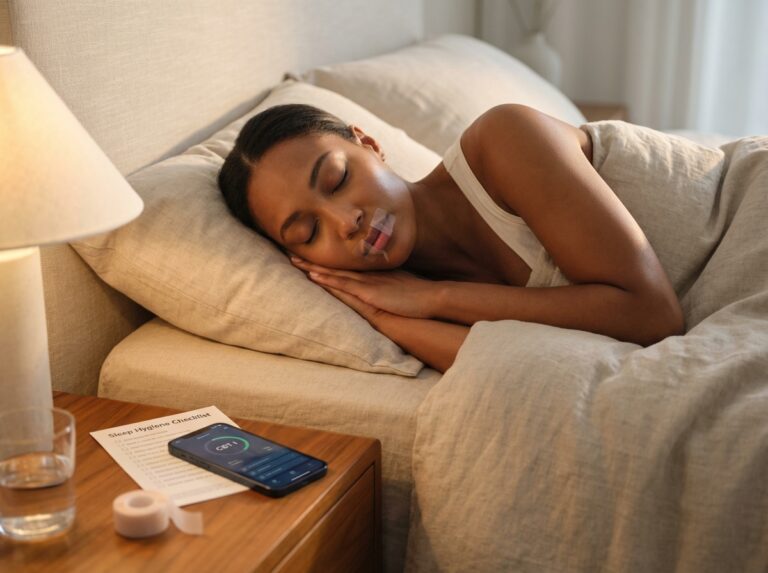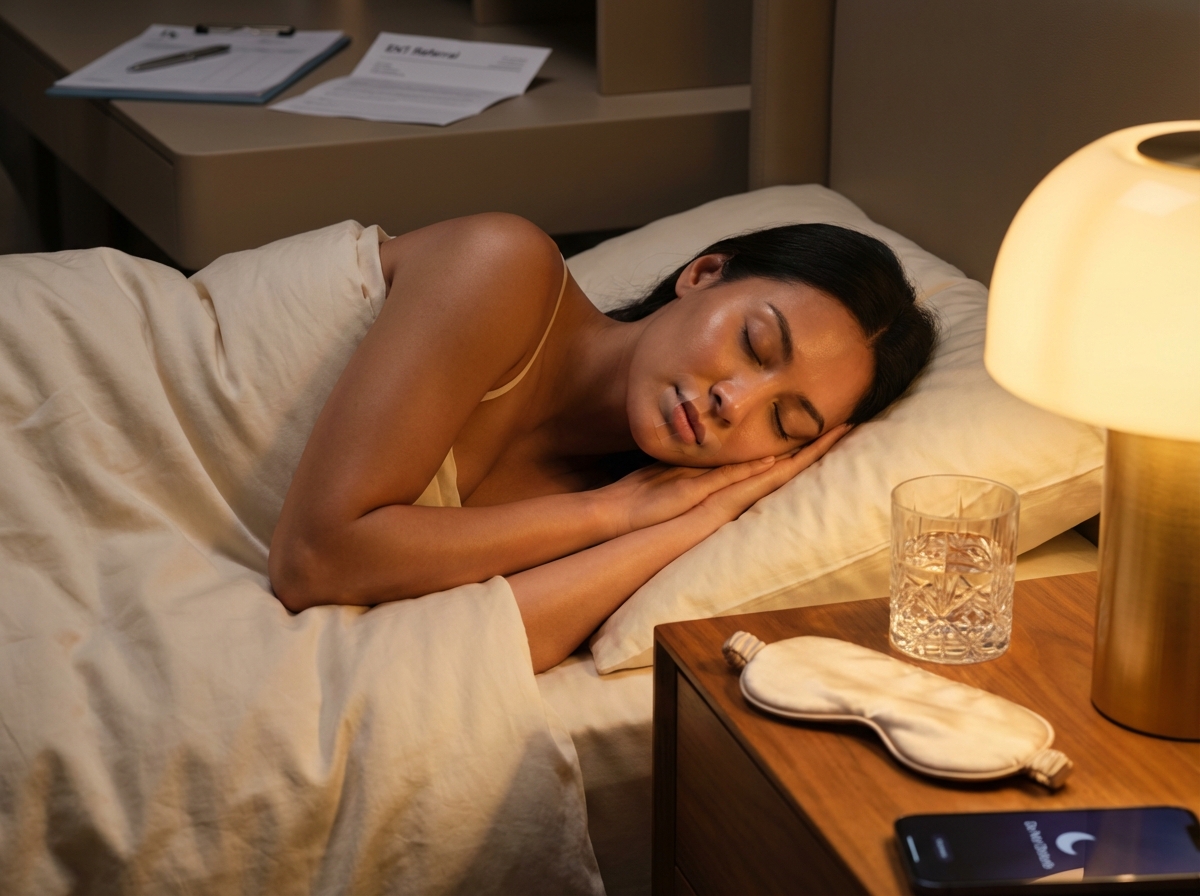
Mouth taping for sleep has surged online as a simple fix to stop mouth breathing, reduce snoring, and improve sleep quality. This article examines the physiology behind nasal versus mouth breathing, reviews benefits and risks, and places mouth taping within a practical insomnia toolkit emphasizing CBT‑I, bedtime routines, and when to seek medical evaluation.
Why nasal breathing matters and how mouth taping became popular
The human body is designed to breathe through the nose. This is not just a preference; it is a biological necessity for optimal health. The nose acts as a sophisticated climate control system for the air entering your body. As air travels through the nasal passages, it undergoes three critical changes. First, the tiny hairs called cilia filter out dust, pollen, and other environmental debris. Second, the mucous membranes add moisture to the air, preventing the delicate tissues of the lungs from drying out. Third, the nasal structure warms the air to body temperature. This preparation makes it easier for the lungs to perform gas exchange.
When you breathe through your mouth, you bypass this entire filtration system. Dry and cold air hits your throat directly, often leading to irritation and inflammation. Over time, chronic mouth breathing can change the shape of your face and the alignment of your teeth. It is especially problematic during sleep because the body cannot consciously correct the behavior.
One of the most significant benefits of nasal breathing is the production of nitric oxide. This molecule is a vasodilator that relaxes the inner muscles of your blood vessels, causing them to widen. When you breathe through your nose, you carry nitric oxide into your lungs, increasing the amount of oxygen your blood can absorb. This process helps lower blood pressure and improves overall circulation. Mouth breathing provides none of these benefits; this lack of nitric oxide can leave you feeling sluggish even if you slept for a full eight hours.
Mouth breathing also has a negative impact on oral health. Saliva is the mouth’s natural defense against bacteria, washing away food particles and neutralizing acids produced by microbes. When the mouth stays open all night, saliva evaporates, creating a dry environment where bacteria thrive. This leads to an increased risk of cavities, gum disease, and chronic bad breath. If you suspect you are a mouth breather, it is essential to drink plenty of water throughout the day to keep oral tissues hydrated, though this does not solve the root issue of nighttime evaporation.
Snoring is another common consequence. When the mouth is open, the tongue is more likely to fall back toward the throat, narrowing the airway and creating the vibrations known as snoring. This narrowing can lead to sleep fragmentation. Even if you do not wake up completely, your brain is forced out of deep sleep to keep the airway open, preventing you from reaching restorative stages like REM and deep slow-wave sleep.
There are several reasons why people end up breathing through their mouths at night. Some are physical: a deviated septum, narrow nasal passages, or nasal polyps can make it difficult to get enough air through the nose. Chronic allergies or frequent sinus infections cause the nasal lining to swell, forcing the body to switch to mouth breathing as a survival mechanism. Enlarged tonsils or adenoids can also block the airway.
Other causes are habitual or lifestyle-based. Some people develop a mouth breathing habit after a long illness and never switch back. Alcohol and certain sedatives relax the muscles in the throat, making it harder to keep the mouth closed during sleep. The position in which you sleep matters as well; sleeping on your back often encourages the jaw to drop open.
| Category | Common Causes of Mouth Breathing |
|---|---|
| Physical Blockages | Deviated septum, nasal polyps, enlarged adenoids |
| Inflammation | Allergies, chronic sinusitis, environmental irritants |
| Lifestyle | Alcohol consumption, sedative use, sleeping on the back |
| Habitual | Long term mouth breathing patterns from childhood |
The rise of mouth taping as a biohack is largely due to social media. Influencers on platforms like TikTok and Instagram have shared videos of themselves using tape to keep their mouths shut at night, claiming it leads to better sleep, improved athletic performance, and a more defined jawline. The biohacking community favors it as an inexpensive intervention that requires no expensive machines or prescriptions—just a small piece of tape.
People use various types of tape for this practice. Some buy specialized mouth strips shaped like a small ring or an X to go over the lips, often featuring a small vent for safety. Others use standard medical tape or kinesiology tape. While online claims are bold—with some users saying it cured their snoring overnight—it is important to separate anecdotes from scientific evidence. Research is in early stages, though some small studies have shown promise. For example, research on mouth taping in mouth breathers with mild sleep apnea suggests it can reduce the severity of the condition. Another study mentioned in a systematic review in PLOS One found that REM sleep increased for some participants.
Despite these positive signs, significant gaps in the data remain. Most studies involve very small groups, and we lack large, high-quality randomized trials assessing long-term safety. Experts at CU Anschutz note that the evidence is currently mixed. The trend has moved faster than the science, a common occurrence in biohacking where people are willing to try low-cost experiments before clinical data is fully available.
The popularity of mouth taping has also highlighted the importance of oral health. A post from Sunnyvale Dental Wellness suggests that even small changes in breathing can have a big impact on teeth and gums. As more people experiment with this trend, the medical community is paying closer attention, and we are likely to see more comprehensive studies in the coming years. For now, the practice remains a viral trend with some legitimate physiological backing, but it is not a miracle cure for everyone.
What the science says: benefits, risks, and safety precautions
Evidence from Clinical Observations
Research into mouth taping is currently in an early stage. Most data comes from small groups or specific case series rather than large clinical trials. Some evidence suggests that keeping the mouth closed can shift the body toward nasal breathing, often leading to a reduction in mouth snoring. A systematic review in PLOS One noted that some participants experienced an increase in REM sleep states after using mouth tape, suggesting a potential improvement in sleep architecture for specific individuals who struggle with open-mouth breathing.
Another study found that mouth taping improved snoring as well as the severity of sleep apnea in people with mild cases who were primary mouth breathers. The NIH research on mouth breathers showed that the Apnea-Hypopnea Index was reduced by about half in these mild cases. Subjective improvements in sleep continuity often stem from reduced airway resistance; people report feeling more rested because they are not waking up with a dry throat or the sudden need to hydrate. However, these results are not universal. Many experts point out that the quality of evidence remains low, and results are often mixed across different demographics.
Risks and Obstructive Sleep Apnea
The most significant danger involves undiagnosed obstructive sleep apnea (OSA). This condition causes the upper airway to collapse during sleep. When this happens, the body naturally tries to gasp for air through the mouth. Taping the lips shut prevents this emergency backup system, potentially leading to dangerous drops in oxygen levels. If you snore loudly, gasp for air at night, or feel exhausted during the day, you must get a formal sleep study before trying mouth tape. Taping your mouth without knowing your apnea status is risky.
People with severe nasal blockage or a deviated septum face similar risks. If the nose is blocked and the mouth is taped, breathing becomes nearly impossible. This practice is also unsafe for individuals with respiratory diseases; conditions like COPD or severe asthma require easy access to air at all times. There is also a risk of aspiration if you feel nauseated or need to cough during the night.
Pediatric Warning: Pediatric use is strictly discouraged by medical professionals. Children have smaller airways and may not be able to remove the tape if they struggle to breathe. Mouth breathing in children is often a sign of enlarged tonsils or adenoids. Using tape on a child could mask a serious medical issue that needs professional intervention; consult a pediatric ENT instead.
Dental and Dermatologic Considerations
Oral health depends heavily on the presence of saliva. Mouth breathing causes xerostomia (dry mouth), increasing the risk of dental caries and gum disease. While mouth taping aims to prevent this by encouraging nasal breathing, it can sometimes cause saliva to pool in odd ways, potentially affecting the bacterial balance. The adhesive itself presents another set of problems. Many people experience skin reactions or rashes from the glue. Using the wrong type of tape—such as duct tape or household tape—can cause small tears in the delicate skin around the lips.
Tape Selection: Use only medical-grade paper tape or specialized sleep strips designed for sensitive areas. Look for hypoallergenic options. Some companies make tapes specifically for the mouth with a small vent in the middle, allowing for a tiny amount of emergency airflow. Before applying it to your face, apply a small piece of the tape to your arm for an hour to check for skin sensitivity.
Comparison of Reported Effects
| Category | Potential Benefit | Potential Risk |
|---|---|---|
| Breathing | Increased nasal airflow | Oxygen desaturation in OSA |
| Sleep Quality | Subjective continuity | Anxiety or claustrophobia |
| Oral Health | Reduced dry mouth | Saliva pooling or irritation |
| Skin | None reported | Adhesive rashes or tears |
Practical Safety Steps and Pre-Screening
Screen for Sleep Apnea Symptoms
Before trying this trend, a thorough pre-screening is necessary. Anyone who snores loudly should be cautious. If you feel excessively sleepy during the day, consult a clinician first. Doctors at Henry Ford Health have noted that there is no strong evidence to suggest that taping your mouth shut is helpful for the general population, so professional guidance is key.
Perform an Awake Trial
An awake trial is a smart first step. Apply the adhesive to intact skin while you are awake. Wear it while moving around the house for thirty minutes. This helps you gauge your comfort level and check for immediate skin sensitivity. You can also test your nasal breathing capacity by keeping your mouth closed (without tape) for three minutes during the day. If you feel any shortness of breath while awake, do not proceed to overnight use.
Avoid Full Sealing
Do not use a full horizontal strip that covers the entire mouth if you have any history of breathing difficulty. Some people prefer a vertical strip in the center of the lips. This keeps the jaw mostly closed but allows air to escape the corners of the mouth if needed. This is a much safer approach for beginners.
Measurable Signals to Stop
There are clear signals that mouth taping is not right for you. Stop the practice immediately if you wake up choking. Gasping for air is a sign that your nasal passages are not handling the workload. Feelings of panic or claustrophobia are also major red flags; these psychological stressors can ruin sleep quality more than mouth breathing does. If you notice skin irritation, the adhesive is likely too harsh. Persistent lip pain is another reason to quit. If you find yourself ripping the tape off in your sleep, your brain is telling you that it needs more oxygen. This is a definitive sign to stop and seek medical advice.
Integrating mouth taping into a practical insomnia and sleep hygiene plan
Mouth taping is often discussed as a standalone fix for poor sleep. However, it works best when it is part of a larger plan. If you struggle with chronic insomnia, you should first look at Cognitive Behavioral Therapy for Insomnia (CBT-I). This is the gold standard for long-term sleep improvement. It addresses the behaviors and thoughts that keep you awake. One of the most important parts is stimulus control: use your bed only for sleep and intimacy. If you are not asleep within twenty minutes, get out of bed. Go to another room and do something quiet in dim light, returning only when you feel truly sleepy. This prevents your brain from linking the bed with the frustration of being awake.
The Role of Behavioral Strategies
Sleep Restriction Therapy
This technique involves matching the time you spend in bed to the actual amount of sleep you get. If you only sleep six hours but stay in bed for eight, you create a window for tossing and turning. By limiting your time in bed, you build up a stronger drive to sleep, making your rest more consolidated and reducing the number of times you wake up during the night. You can slowly increase your time in bed as your sleep efficiency improves.
Cognitive Restructuring
Many people with insomnia suffer from nighttime worry. You might worry about how tired you will be the next day. Cognitive restructuring helps you identify these negative thoughts and replace them with more realistic ones. One bad night does not mean your whole week is ruined. Managing this anxiety is often more effective than any physical biohack, as it lowers the mental arousal that keeps your brain in a state of high alert.
Relaxation Training
You can use progressive muscle relaxation to physically calm your body. This involves tensing and then releasing different muscle groups. Diaphragmatic breathing is another useful tool; breathing deeply into your belly rather than your chest stimulates the vagus nerve and signals to your nervous system that it is time to rest. These methods should be practiced daily so they become easier to use when you are actually in bed.
Establishing a Solid Bedtime Routine
Your daily habits set the stage for your night. Consistency is the most important factor. You should wake up at the same time every single day, including weekends and holidays, to anchor your internal clock. Be mindful of what you consume: caffeine should be stopped by noon because it stays in your system for many hours. While alcohol might help you fall asleep faster, it causes fragmented sleep and reduces the quality of your rest later in the night, so avoid it in the hours before bed.
Environmental Controls
Light exposure is a major trigger for your brain. Dim the lights in your home at least one hour before you plan to sleep to encourage the natural production of melatonin. Keep your bedroom cool and dark; a temperature around 65 degrees Fahrenheit is ideal for most people. If you exercise, try to finish your workout at least three hours before bedtime to give your body temperature enough time to drop back down to a resting level.
When to Trial Mouth Taping
Mouth taping should only be considered after you have addressed these foundational habits. It is an adjunct tool for people who have mild mouth breathing but do not have obstructive sleep apnea. You must get clearance from an ear, nose, and throat (ENT) specialist first. They will check your nasal patency to ensure you can breathe through your nose comfortably. If you have a physical blockage, taping your mouth is not safe.
Safe Integration Steps and Timeline
If you decide to try it, start by keeping a baseline sleep diary for two weeks. Track how long it takes you to fall asleep, how many times you wake up, and your energy levels during the day. When you begin taping, do short trials while you are still awake. Wear the tape for thirty minutes while reading or watching television to get used to the sensation and ensure you do not feel panicked.
Some people report feeling more refreshed after just one night, but for others, it takes a few weeks for the body to adjust to nasal breathing. You should give it at least two weeks of consistent use while monitoring your results closely. If you notice an increase in nighttime awakenings or anxiety, the tape may be causing more harm than good. If the tape interferes with the relaxation goals of CBT-I, prioritize the behavioral exercises first.
Nasal Alternatives and Professional Care
There are many ways to support nasal breathing without using tape. Nasal saline irrigation can clear out mucus and allergens, which is very helpful if you have seasonal allergies. Topical steroids may be recommended by a doctor if you suffer from allergic rhinitis. Nasal dilator strips are another option; they physically pull the nostrils open to reduce airflow resistance. These strips are often a safer starting point than tape because they do not prevent you from breathing through your mouth if you need to.
Coordinating with Specialists
If you have a deviated septum, seek a referral to an ENT specialist to determine if a structural issue is forcing you to breathe through your mouth. You should also work with a sleep medicine physician to rule out apnea via a sleep study. Finally, talk to your dentist. Chronic mouth breathing can lead to dry mouth and an increased risk of cavities, and a dentist can monitor your oral health as you make these changes. Integrating these professional perspectives ensures that your approach to sleep is both safe and effective.
Final recommendations for long term success
The current landscape of sleep research suggests that mouth taping occupies a space between viral enthusiasm and emerging clinical interest. While social media platforms often present it as a universal cure for poor rest, the scientific community remains cautious. Most available data comes from small studies or anecdotal reports. These individual stories are often positive, with people frequently mentioning waking up with more energy or a less dry mouth. However, these personal successes do not yet constitute a broad medical recommendation for everyone.
The most sustainable way to improve your sleep is to integrate medical advice with behavioral changes. Mouth taping might be a helpful addition for some people, but it is not a replacement for a holistic approach. If you snore loudly or gasp for air at night, you should prioritize a consultation with a sleep specialist. These symptoms often indicate Obstructive Sleep Apnea, which requires specific treatments like CPAP therapy or oral appliances. Using tape to silence a snore without addressing the underlying apnea can be dangerous, as it delays the treatment of a condition that affects your heart health and overall longevity.
For those with general insomnia, the focus should remain on the principles of CBT-I. Learning how to manage sleep pressure and reduce time spent awake in bed will provide more significant results over time. You should view mouth taping as a small part of a much larger strategy. If it helps you feel more refreshed and you have cleared it with a doctor, it can be a useful tool. However, you should always be willing to adjust your routine based on how your body responds. True rest comes from a combination of physical health, mental calm, and a supportive environment. Do not let viral trends distract you from the proven methods that lead to healthy sleep.
Sources
- A systematic review | PLOS One – Research journals — Two studies assessed rapid eye movement (REM) sleep states. Teschler et al. showed that REM sleep percentage significantly increased after mouth tape [16], …
- Mouth Taping: The Small Change That Can Revolutionize Your … — But does the science support these claims? While research is still emerging, studies suggest mouth taping may reduce snoring and improve sleep …
- The Impact of Mouth-Taping in Mouth-Breathers with Mild … – NIH — Mouth-taping during sleep improved snoring and the severity of sleep apnea in mouth-breathers with mild OSA, with AHI and SI being reduced by about half.
- Mouth Taping At Night: Get The Facts | Henry Ford Health — “But there's no evidence to suggest that taping your mouth shut overnight is helpful,” says Luisa Bazan, M.D., a sleep specialist at Henry Ford …
- Mouth Tape for Better Sleep: Myth or Miracle? — “The evidence we have for mouth taping isn't high quality, and there are mixed results,” said Jessica Camacho, MD, assistant professor of …
- Mouth taping: a little less conversation, a little more action, please! — Mouth taping was shown to be effective in improving sleep architecture in people on long-term nocturnal nasal bilevel ventilation with …
- A TikTok trend about mouth taping… (CNN News) – NCBI – NIH — Social media is promoting mouth taping as a solution to mouth breathing at night. Science says there's no proof this works, and may even harm your health.
- Doctors Warn Against Mouth Taping During Sleep — Health professionals warn against mouth taping to improve sleep, citing limited supportive data and risks that outweigh benefits.
- Mouth Taping: A New Trend–But What Are Its Effects on Oral Health? — Seek scientific evidence: Some small studies suggest potential benefits of mouth taping on mild sleep apnea. More research is required to …
Legal Disclaimers & Brand Notices
The content provided in this article is for informational purposes only and does not constitute medical advice, diagnosis, or treatment. Always seek the advice of your physician or other qualified health provider with any questions you may have regarding a medical condition, sleep disorder, or respiratory health. Never disregard professional medical advice or delay in seeking it because of something you have read in this article.
All product names, logos, and brands mentioned in this text are the property of their respective owners. All company, product, and service names used are for identification purposes only. Use of these names, logos, and brands does not imply endorsement.