Sleep Science & Circadian Rhythms

Understanding Circadian Rhythms: Your Body’s Internal Clock
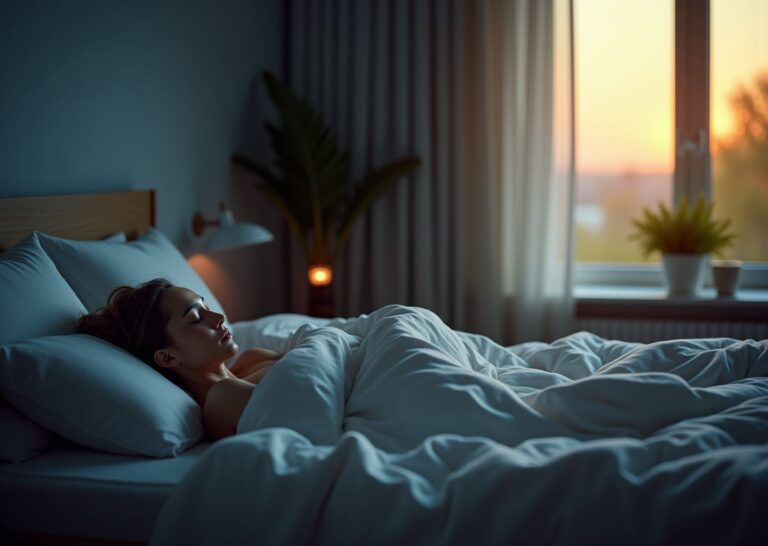
Person sleeping peacefully in a modern bedroom at dawn with clock and soft transition from blue night light to warm morning light, bedside phone face down and dim lamp

Struggling with insomnia? This article explains circadian rhythms — your body’s internal clock — and shows practical, evidence‑based strategies to fall asleep, stay asleep, and wake refreshed. You’ll learn how circadian timing affects sleep, core CBT‑I techniques, bedtime routines, light…

Chronotypes Explained: Are You a Bear, Wolf, Lion, or Dolphin?

Collage of four diverse adults showing morning daytime evening and restless night scenes to represent Lion Bear Wolf and Dolphin chronotypes

Chronotypes—commonly grouped as Bear Wolf Lion and Dolphin—shape daily alertness sleep timing and insomnia risk. For Americans struggling to sleep understanding your type lets you tailor CBT-I methods bedtime routines and lifestyle changes for better rest. This article explains chronotype…

Sleep Paralysis: Causes, Myths, and How to Cope

Person lying awake and immobilized in bed at night staring at ceiling with dim lamp and faint shadow figure suggesting a hallucination

Sleep paralysis occurs when consciousness returns before normal REM motor control, leaving you awake but unable to move, often with vivid hallucinations and fear. This article examines biological causes, common myths and cultural interpretations, and practical, evidence-based approaches — including…

Waking Up at 3 AM? The Science of Middle-of-the-Night Insomnia

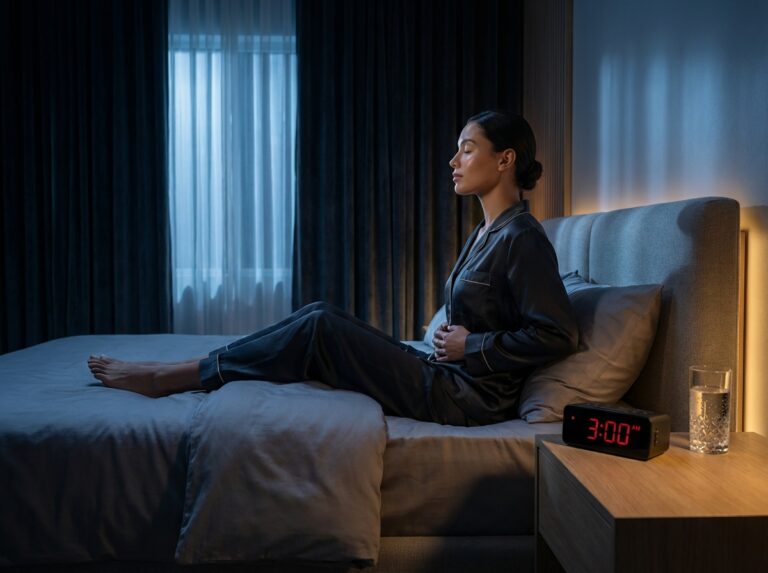
Person sitting calmly in a dim bedroom at 3:00 AM practicing breathing exercises to cope with middle‑of‑the‑night insomnia

Waking at 2–4 AM is a common form of sleep maintenance insomnia that leaves people exhausted and anxious. This article explains why middle-of-the-night awakenings happen, the biology behind them, and the most effective practical strategies—especially CBT‑I, bedtime routines, and lifestyle…